How to Choose an AI Resume Screener
Recruitment teams often drown in applications. A corporate job posting typically attracts an average of 250 resumes , yet only four to six applicants are selected for an interview . Recruiters who review those applic...
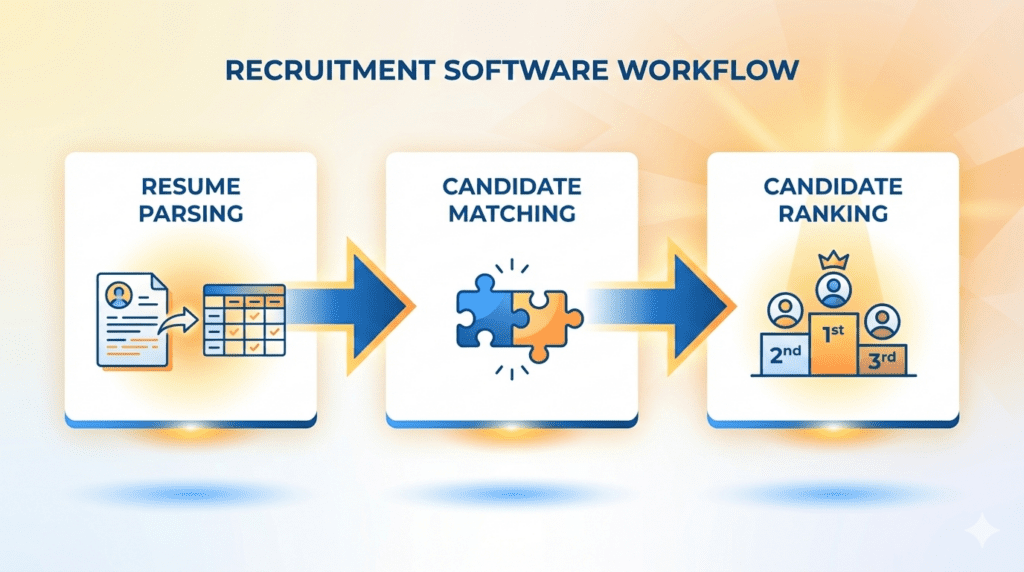
Recruitment teams often drown in applications. A corporate job posting typically attracts an average of 250 resumes, yet only four to six applicants are selected for an interview. Recruiters who review those applications spend around 23 hours per hire doing manual resume screening, and eye‑tracking studies suggest they may spend only 6–8 seconds on each resume during the initial scan.
With time pressure high and applicant pools huge, it’s no surprise that most large organisations use some form of Applicant Tracking System (ATS).
In fact, 98.4% of Fortune 500 companies used a detectable ATS in 2025. However, not all AI resume screeners are created equal—nearly 88% of employers believe they lose qualified candidates because their ATS filters out resumes that aren’t formatted properly.
This guide explains what AI resume screeners do, why they matter, and how to choose the right one for your recruitment needs. It draws on research, real‑world case studies, and experience from HR professionals to help you make an informed decision.
What Is an AI Resume Screener and How Does It Work?
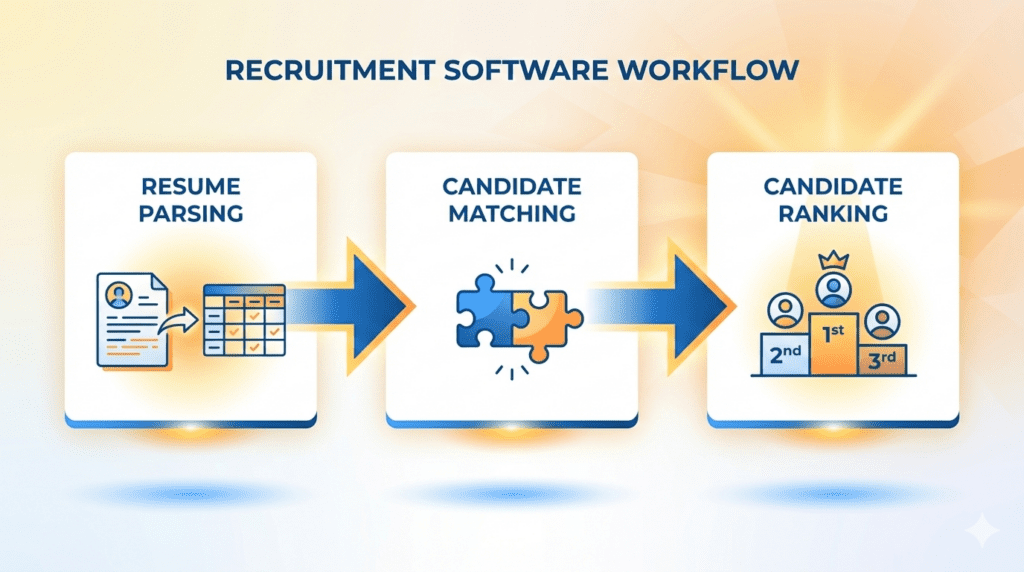
An AI resume screener is software that automates and optimises the early stages of recruitment by parsing, matching, and ranking resumes based on job requirements.
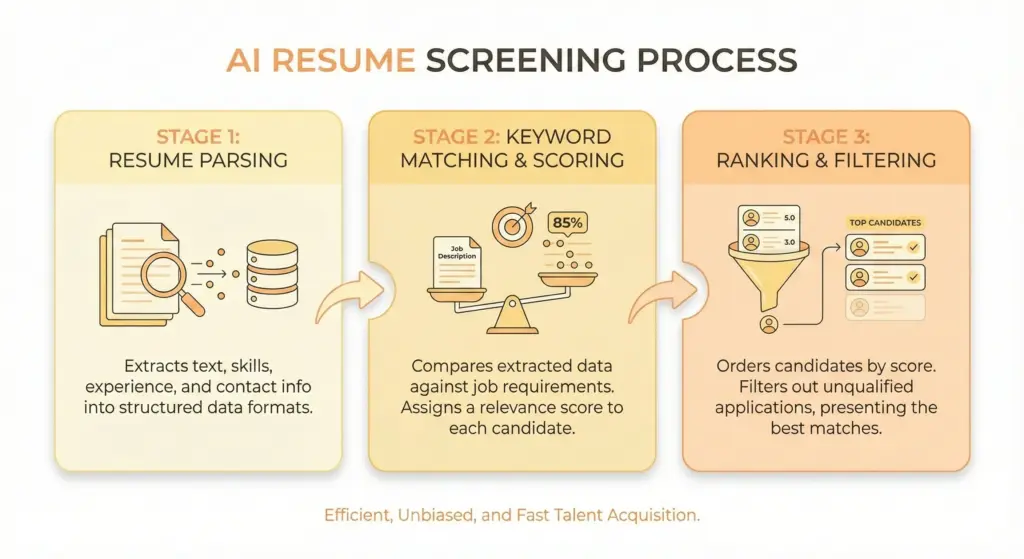
Unlike manual screening, which relies on human judgment, AI tools use a combination of Natural Language Processing (NLP) and machine learning to analyse documents objectively. Modern systems carry out three core tasks:
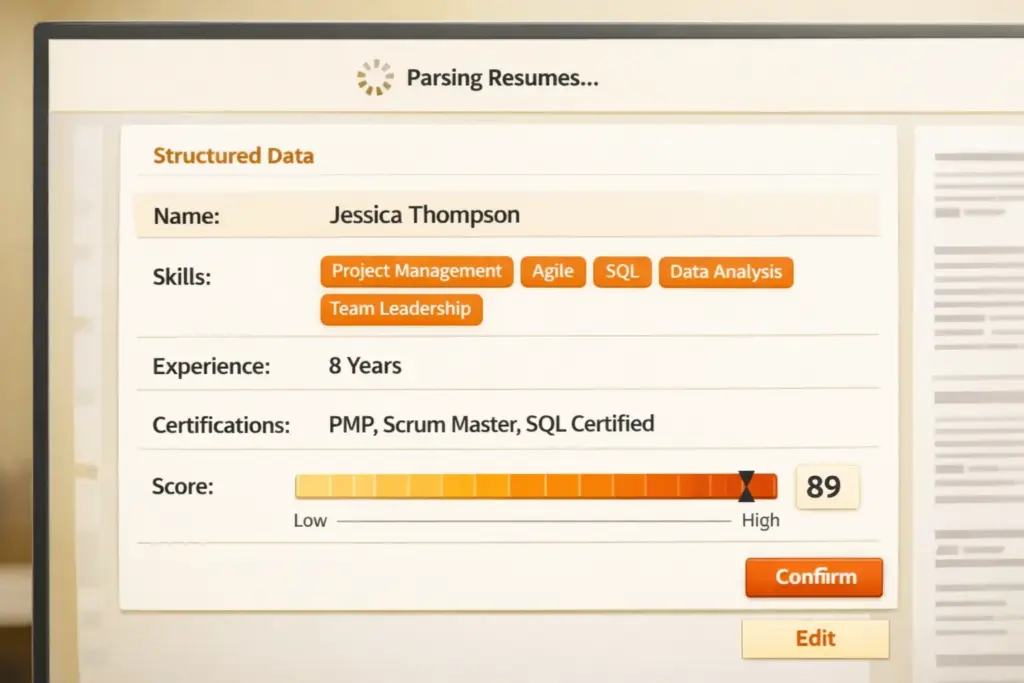
- Resume parsing – The software converts each resume into structured data, extracting key details such as skills, education, work experience, and certifications. Parsing technology saves recruiters time and ensures that important information isn’t missed.
- Candidate matching – The AI compares the structured resume data with the job description. Advanced models understand synonyms and context, linking terms like “project management” with related phrases such as “program coordination” or “Agile methodology.” This helps identify candidates whose experience fits the role even when wording differs.
- Candidate ranking – After calculating a fit score, the system sorts candidates from the most suitable to the least suitable. Recruiters can then focus on a shortlist of high‑scoring applicants instead of wading through hundreds of resumes.
This overview aligns with the process outlined in our “How Do Resume Screeners Work?” article, which takes a closer look at resume parsing, candidate matching, and ranking, complete with real-world case studies from recruiters.
Why Choose an AI Resume Screener for Recruitment?
Time and Cost Efficiency
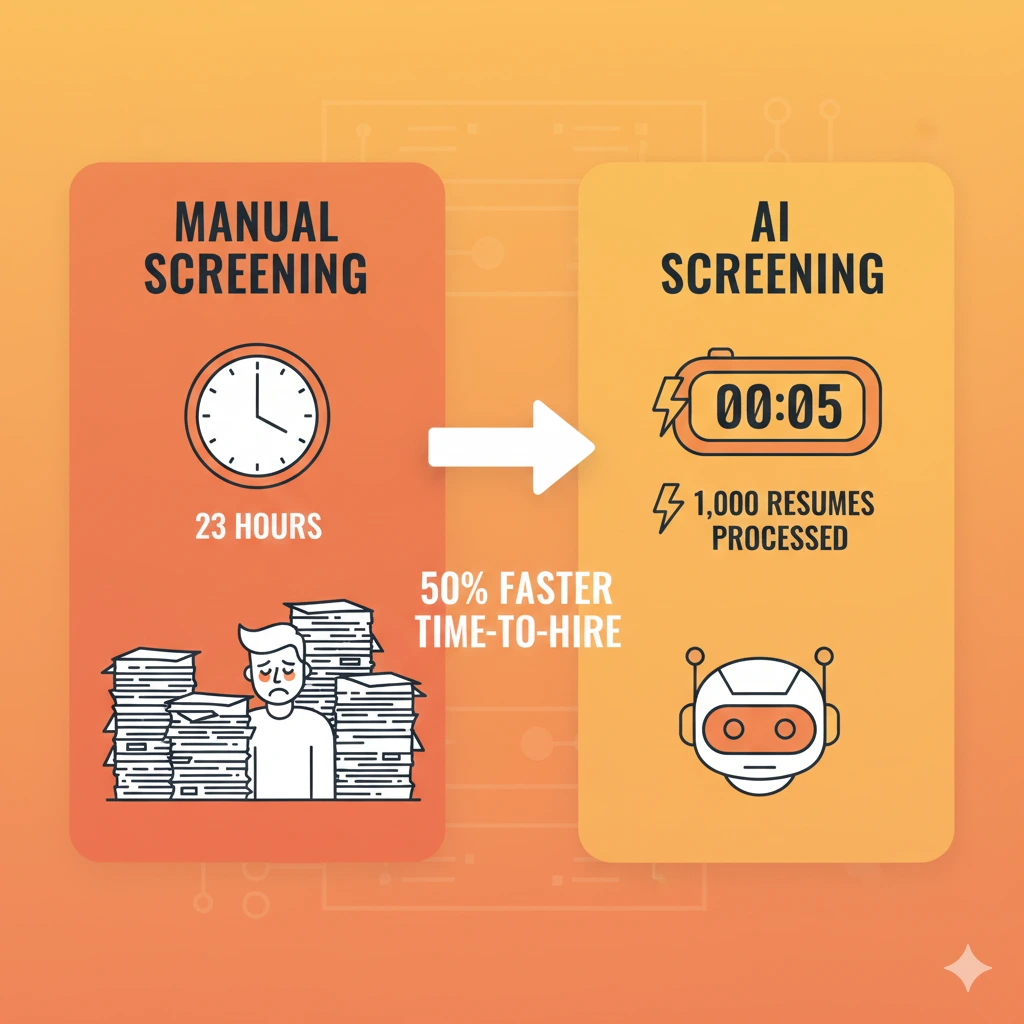
Screening hundreds of resumes manually isn’t just monotonous, it’s expensive. A recruiter spends around 23 hours reviewing resumes for a single hire, yet AI can reduce that workload dramatically.
Research from selective sources shows that AI tools can cut time‑to‑hire by up to 50%. Since many organisations use AI to handle high applicant volumes, investing in a screener helps you keep up with competitors.
Improved Candidate Matching
Traditional ATS systems rely heavily on keyword matching, which is prone to error. Modern AI solutions go further by understanding context. They can recognise that a candidate with experience “coordinating cross‑functional teams” could excel in a project management role, even if the exact keywords differ.
According to HR technology data, 30% of HR professionals report improved candidate matching accuracy when using AI. The result is a shortlist that better aligns with your requirements, reducing the risk of missing good candidates.
Reduction of Bias
One of the biggest advantages of AI is its potential to reduce unconscious bias. Human reviewers might unconsciously favour candidates with familiar names or educational backgrounds. AI tools evaluate everyone using the same criteria, which helps create a level playing field.
A study reported in the Journal of Applied Psychology found that AI‑based assessments reduced hiring bias by 25%. Anonymising resumes, removing names or demographic details, further ensures that decisions focus on skills and experience.
Our article on “How AI Can Improve Your Recruiting and Candidate Experience” goes into more detail about how AI helps reduce bias and improve communication with candidates.
Candidate Experience
Modern job seekers expect fast responses. Surveys indicate that job seekers lose interest if they don’t hear back quickly; some reports say more than half of candidates drop off when responses take longer than two weeks.
AI screeners speed up the initial review and can integrate with communication tools to keep applicants informed at each stage. This improves your employer brand and reduces drop‑off rates.
Key Features to Look for in an AI Resume Screener
Choosing the right tool is about more than just automation. Here are the features that matter most, along with internal resources for deeper guidance:
Candidate Matching Technology
Look for systems that use semantic search to match resumes with job descriptions. Contextual matching ensures that synonyms and related phrases are recognized. CVShelf’s algorithm, for example, considers years of experience, skill relevance and educational background to generate accurate fit scores.
Resume Parsing Capabilities
Parsing is the foundation of AI screening. Accurate extraction of data means the system can make better matches later. We’ve actually covered this in detail in our guide to the 6 best resume parsing software for high-volume hiring, where we found CVShelf can process over 1,000 resumes in under five minutes with 98% accuracy a game-changer when you’re dealing with hundreds of applications per role.
Candidate Ranking and Fit Scores
Ranking algorithms should be transparent and customizable. Recruiters need to adjust weightings for skills, certifications or years of experience based on their organization’s needs. Some tools provide a “fit score” from 0–100 that indicates how closely a candidate matches the criteria. High transparency lets you explain decisions and refine your process over time.
Integration with Applicant Tracking Systems (ATS)
Seamless integration with your existing ATS ensures data flows smoothly from the screener to the rest of your recruitment workflow. When evaluating vendors, check whether they support common ATS platforms like Workday, Greenhouse or Lever. 98.4% of Fortune 500 companies use an ATS, so integration capability is crucial for scalability.
User Experience and Ease of Use
An intuitive interface reduces training time and adoption barriers. Look for tools that allow drag‑and‑drop uploads, clear dashboards and simple controls for adjusting match criteria. Some tools also offer recruiter collaboration features, letting hiring managers leave notes or comments directly in the system.
Pricing and Free Plans
AI resume screeners are typically priced via subscription or pay‑per‑use models. Consider how many roles you fill per year and whether you need high‑volume screening. CVShelf offers a free plan, allowing you to screen a limited number of resumes each month without upfront cost an excellent option for small businesses or those testing the waters.
How to Choose the Right AI Resume Screener for Your Recruitment Needs
Assess Your Recruitment Goals
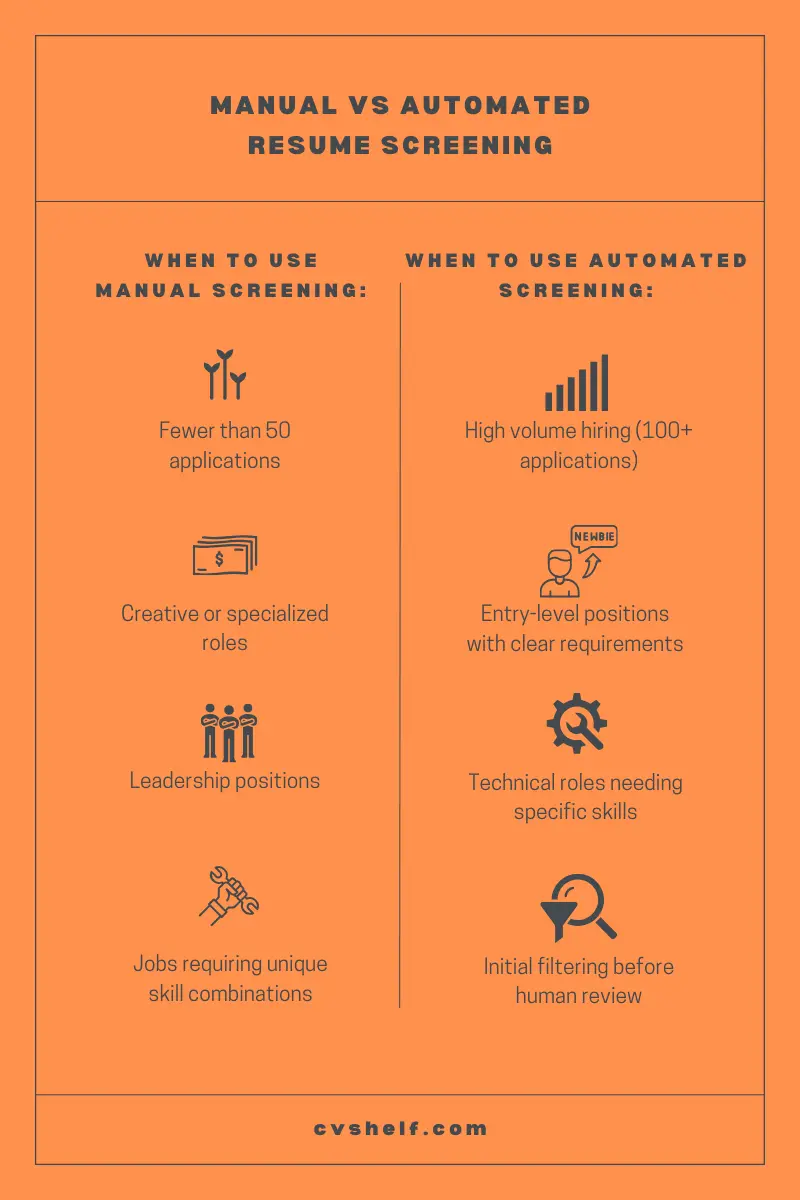
Start by considering your hiring volume and the types of roles you fill. If you’re a small business hiring only a few people per year, a basic tool may suffice. For high‑volume recruiters handling hundreds of applicants per role, you need a solution that can parse and rank thousands of resumes quickly. Ask yourself:
- Are you hiring for specialized roles requiring niche skills? Look for tools with advanced semantic matching.
- Do you need multilingual parsing? Some systems support multiple languages; this matters if you recruit globally.
- Will you use the tool only for parsing, or do you want end‑to‑end recruitment management (job posting, interview scheduling and communications)? Full‑service platforms may include features beyond screening.
Evaluate Accuracy and Performance
Ask vendors for performance metrics. Key indicators include parsing accuracy (e.g., CVShelf’s 98% accuracy), time to process a typical batch of resumes (under five minutes for 1,000 resumes) and fit score precision. Request a trial or demo that lets you test the tool on your own job postings.
Review Customer Support and Onboarding
Even the best software is useless if your team doesn’t know how to use it. Look for vendors with comprehensive onboarding, training webinars and responsive support. Peer reviews and case studies provide insights into the user experience. If you’re curious about what this looks like in practice, we’ve gathered candid feedback from recruiters on how resume screeners actually work day-to-day, including their experiences with CVShelf.
Consider Data Privacy and Security
Compliance with data protection regulations such as GDPR (important given our audience in Germany) and CCPA is non‑negotiable. Ask providers about encryption standards, data retention policies and options for anonymizing sensitive information. CVShelf is designed to be compliant with major privacy regulations and allows you to purge candidate data when necessary.
Compare Pricing Models
Most AI screeners charge either per resume, per job posting or via monthly subscription. If your hiring volume fluctuates, a pay‑per‑use or hybrid model may save money. Evaluate hidden costs like setup fees or charges for integration with your ATS. Don’t forget to factor in the ROI from time saved and improved quality of hires.
How CVShelf AI Resume Screener Stands Out
As part of the CVShelf team, we built our AI resume screener with practicality in mind. Here’s why it resonates with recruiters and HR managers:
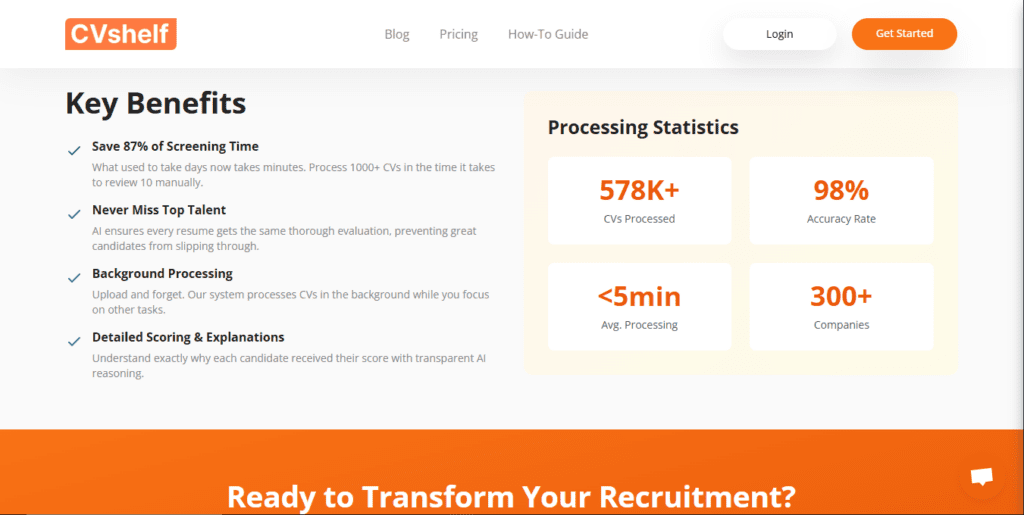
- Bulk Screening and Ranking – Upload hundreds or thousands of resumes at once. Our AI parses each document, matches candidates against your job description and ranks them by relevance. In internal tests and customer feedback, recruiters report saving more than five hours per hire because they no longer sift through unqualified resumes.
- High Parsing Accuracy – Our parser uses advanced NLP and machine learning to extract skills, job titles and experience levels. With 98%+ accuracy, you get reliable data even from PDFs or creative layouts. Detailed extraction improves the quality of matching and ranking.
- Customizable Fit Scores – Adjust weightings for required skills, certifications, years of experience or education. Fit scores are transparent and easy to interpret, giving you control over who rises to the top.
- ATS Integration – CVShelf integrates with popular ATS platforms like Greenhouse, Lever and Workable. This ensures that the screener fits into your existing workflow.
- Bias Mitigation – Our system offers anonymized screening options to hide identifiers like names and photos. Combined with objective scoring, this helps minimize bias and supports fair hiring practices.
- Free Plan – For small teams or those evaluating AI screening, CVShelf’s free plan provides enough credits to screen a limited number of resumes each month. When you’re ready to scale, upgrade to paid plans for higher volumes and additional features.
Getting Started with CVShelf
- Sign up for a free account – Visit CVShelf and create an account. You’ll automatically access our free plan, which grants limited resume screening credits each month.
- Upload your job description – Paste your job description into the platform or import it from your ATS. CVShelf uses this to identify key skills and requirements.
- Upload resumes – Drag and drop PDF or Word documents directly into the interface. The system parses and extracts data instantly.
- Review ranked candidates – Within minutes, CVShelf provides a ranked list based on fit scores. Click any candidate to view their parsed resume, original document and detailed fit breakdown.
- Customize your criteria – Adjust settings to prioritize certain skills or reduce weight on others. Save your configuration for future roles.
By following these steps, you can start screening resumes efficiently, reduce time‑to‑hire and focus on interviewing the most promising candidates.
Common Challenges and How to Overcome Them
Data Privacy and Security
Recruiters handle sensitive personal data, so security must be a priority. Always choose a vendor that adheres to regulations like GDPR, offers robust encryption and allows data to be deleted upon request. CVShelf is designed with privacy in mind and supports compliance with European and U.S. laws.
Accuracy of AI Algorithms
Machine learning models improve over time but can occasionally misinterpret information. AI‑based assessments have been shown to reduce bias by 25%, but they’re not foolproof. Regularly review fit scores and candidate rankings to ensure the algorithm aligns with your hiring goals. Adjust weightings when necessary, and use AI as a supplement not a replacement for human judgment.
Integration Issues
If your screener doesn’t integrate with your ATS, you may waste time exporting and importing data manually. Before purchasing, verify that the system supports your ATS or offers open APIs. CVShelf’s integration features are designed to fit into existing workflows seamlessly.
Candidate Accessibility
A key criticism of resume screeners is that they may filter out qualified candidates if their resumes aren’t formatted properly. Indeed, 88% of employers believe they miss qualified candidates because ATSs screen out resumes lacking the right keywords or formatting. To mitigate this, CVShelf’s parsing engine handles a wide variety of resume formats and flags documents with potential parsing issues, letting recruiters request clarifications instead of discarding an application.
Is an AI Resume Screener Right for You?
For HR managers and recruiters juggling high applicant volumes, AI resume screeners offer clear benefits: they save time, improve match quality, reduce bias and enhance the candidate experience. However, tools vary widely in accuracy, transparency and integration capabilities.
When choosing a screener, assess your hiring volume, the complexity of your roles and the importance of features like custom scoring, bias mitigation and ATS integration.
CVShelf is a versatile option that addresses these needs. With high parsing accuracy, customizable fit scores, seamless ATS integrations and a free plan, it helps teams of all sizes harness AI without breaking the budget.
Whether you’re screening hundreds of resumes or just a handful, CVShelf gives you the flexibility and control to make better hiring decisions quickly.Ready to transform your recruitment process? Sign up for CVShelf’s free plan today and start screening smarter. Your next great hire might be a few clicks away.
Keep Reading
More from Resume Screening.
How Do Resumes Screeners Work
We’ve spent the last eight years in HR and talent acquisition, mostly working with tech startups and mid-sized companies (50–500 employees). We started as recruiters, moved into TA management, and now oversee hiring o...
Should You Opt Out of AI Resume Screening
You’ve submitted your resume to 50+ companies. Your experience is solid. Your qualifications match the job descriptions perfectly. Yet weeks pass, and you hear nothing but automated rejection emails or worse, complete...
Best AI Resume Screening Software to Speed Up Your US Hiring Process
In today’s fast-paced US job market, finding the best AI resume screening software can transform your hiring process, slashing time-to-hire by up to 75%, according to a SHRM study. These tools use machine learning to...