Integrating Screening Into Your Existing Hiring Stack
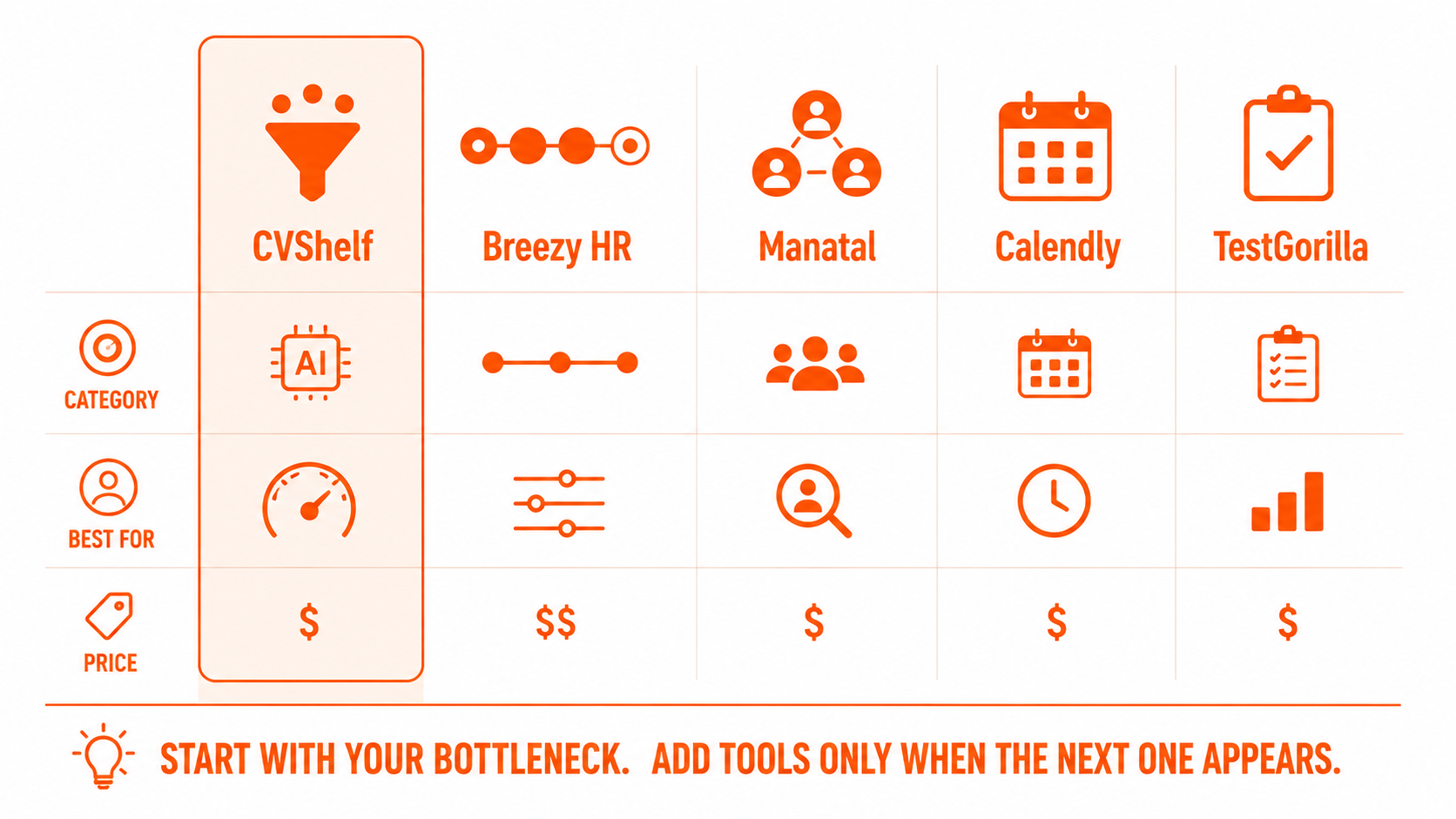
Connecting Automated Candidate Screening and Ranking to the tools your team already uses eliminates the friction of switching between platforms. Most mid-market recruiters live inside an ATS like Greenhouse, Lever, or Workable, so the平台
Compliance and Fairness for Mid-Market Teams
Mid-market teams using Automated Candidate Screening and Ranking need practical compliance steps that fit their resources. A 2023 SHRM study found that structured bias audits reduce adverse impact by 35% when paired with human review. <
Measuring Success: Metrics That Matter
Measuring the effectiveness of your hiring process requires moving beyond vanity metrics to focus on outcomes that impact your bottom line. By implementing Automated Candidate Screening and Ranking, you gain access to precise data points that reveal exactly where your recruitment funnel succeeds or stalls. Key performance indicators like time-to-hire often drop by up to 40% when manual bottlenecks are removed, allowing your team to focus on high-value candidate engagement rather than data entry.
Assessing the quality of hire is equally vital, as objective Automated Candidate Screening and Ranking ensures that every applicant is evaluated against consistent, weighted criteria. This systematic approach reduces the reliance on subjective gut feelings, which frequently leads to costly mis-hires. Furthermore, tracking the return on investment for your recruitment stack becomes straightforward when you can quantify the hours saved per requisition. For mid-market teams, these insights provide the evidence needed to justify scaling your Automated Candidate Screening and Ranking efforts. By correlating screening accuracy with long-term employee performance, you transform your recruitment function from a cost center into a strategic engine for organizational growth.
Getting Started: A 30-Day Rollout Plan
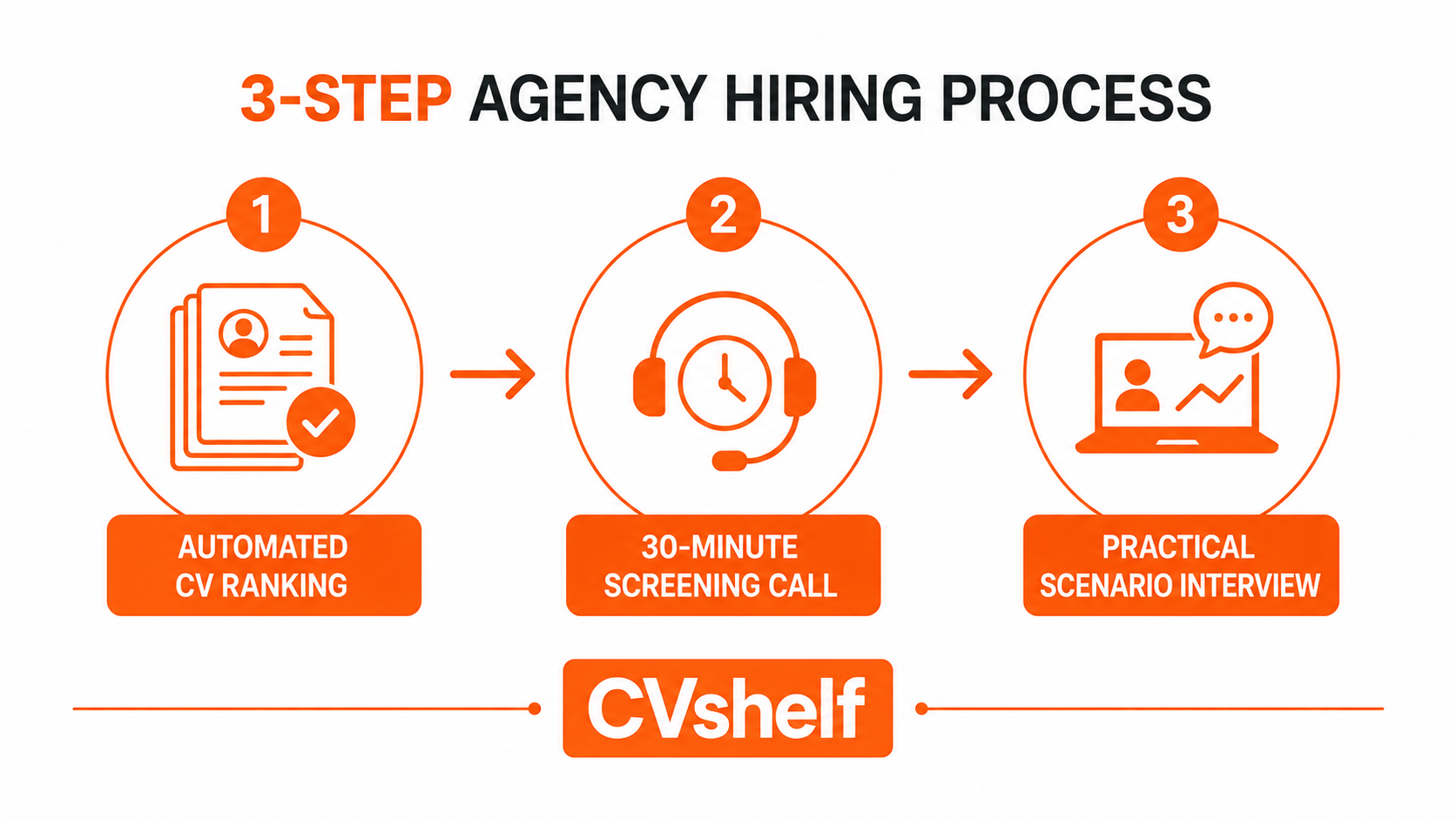
Launching Automated Candidate Screening and Ranking in 30 days works best when you pilot, tune, and expand with proof. Start by selecting a single high-volume requisition where you can measure baseline screening time and candidate.
<
Frequently Asked Questions
What is Automated Candidate Screening and Ranking and how does it work?
Automated Candidate Screening and Ranking uses artificial intelligence to evaluate resumes against job requirements at scale. The system parses CVs, extracts skills and experience, then applies customizable weighting to score each applicant. CVShelf's platform adds explainable AI ranking so you see exactly why a candidate scored high or low. This replaces hours of manual review with consistent, data-driven shortlists. Start by defining your must-have criteria and weightings, then let the AI handle bulk parsing and initial scoring while you focus on interviewing top matches.
How do I set up an Automated Candidate Screening and Ranking workflow for my team?
Begin with a clear job description using CVShelf's AI JD generator to ensure structured requirements. Next, configure screening criteria with weighted categories like required skills, years of experience, and education. Import applicants via LinkedIn applicant import or BDJobs integration for seamless sourcing. Run bulk CV parsing to extract standardized data, then review the explainable ranking dashboard. Set up automated outreach templates for qualified candidates. Pilot the workflow on one role first, measure time-to-shortlist, then scale across openings.
Can Automated Candidate Screening and Ranking handle high-volume applications from AI-written resumes?
Yes, modern Automated Candidate Screening and Ranking uses semantic matching rather than simple keyword counting. CVShelf's AI recognizes relevant experience even when candidates use different terminology or AI-generated phrasing. The system evaluates context, project outcomes, and skill depth across parsed resume sections. Customizable weightage lets you prioritize demonstrated achievements over claimed keywords. For extra protection, combine screening with skills assessments or structured interview scorecards to verify capabilities beyond the resume.
How does Automated Candidate Screening and Ranking reduce bias in hiring?
Automated Candidate Screening and Ranking applies the same criteria consistently to every applicant, removing variability from human fatigue or unconscious preferences. CVShelf provides explainable AI ranking with transparent score breakdowns so teams can audit decisions. Customizable criteria focus on job-relevant factors like specific skills and measurable outcomes rather than proxy signals like university prestige. The platform maintains audit trails for compliance with regulations like NYC Local Law 144. Always include a human review stage for final decisions to catch edge cases the AI might miss.
What makes CVShelf's Automated Candidate Screening and Ranking different from basic ATS filtering?
Traditional ATS filtering relies on rigid keyword matching that misses qualified candidates and surfaces unqualified ones. CVShelf's Automated Candidate Screening and Ranking uses semantic AI to understand context, recognizes transferable skills, and applies customizable weightage aligned with your actual hiring priorities. Features like explainable ranking show exactly how each score was calculated, bulk CV parsing handles thousands of resumes in minutes, and integrated outreach automates next steps. The AI JD generator ensures your screening criteria start from well-structured requirements.
How long does it take to implement Automated Candidate Screening and Ranking for a 100-person company?
Most teams using CVShelf launch their first Automated Candidate Screening and Ranking workflow within one week. Day 1-2: generate job descriptions and define weighted criteria. Day 3: import existing applicants via LinkedIn or BDJobs integration. Day 4: run bulk parsing and review initial rankings. Day 5: refine weightings based on results and activate automated outreach. No custom development or lengthy onboarding required. Start with one high-volume role, measure the 87% screening time reduction, then expand to all open positions.