Best AI Resume Screening Software for Recruiters in 2026
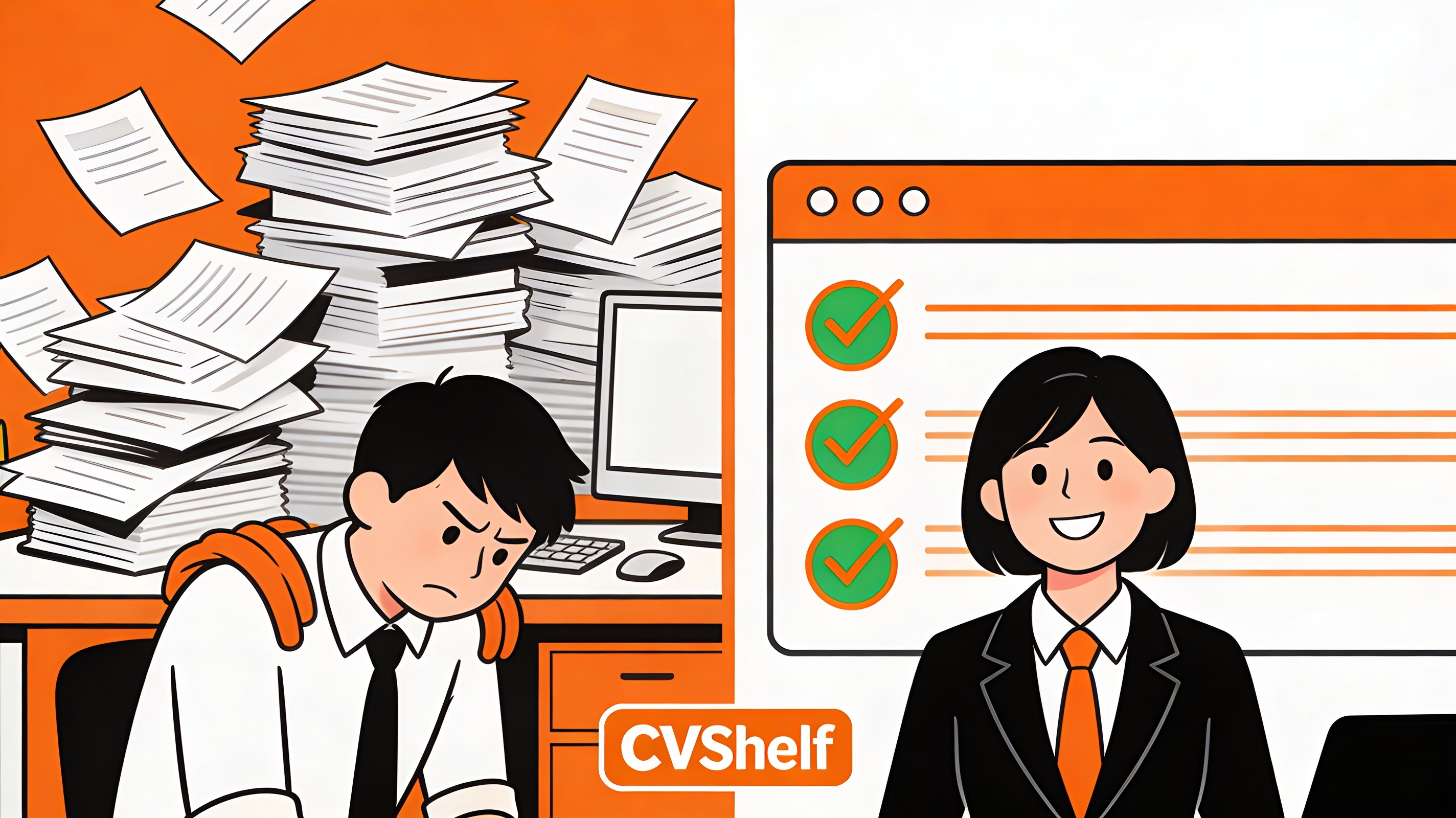
You post a job. By Friday, there are 280 applications in your inbox. You have half a day. Maybe less. And somewhere in that stack is the person you actually want to hire, buried under 200 resumes that don't come close.
Best AI Resume Screening Software for Recruiters in 2026
You post a job. By Friday, there are 280 applications in your inbox.
You have half a day. Maybe less. And somewhere in that stack is the person you actually want to hire, buried under 200 resumes that don't come close.
This is not a people problem. It's a volume problem. The average job posting now attracts over 250 applications, and that number keeps climbing as remote work opens roles to wider geographies. Manual screening was never built for this. Recruiters spend upward of 23 hours a week on first-round resume review, time that should go toward interviewing, relationship-building, and closing.
AI resume screening software exists to fix that specific bottleneck. Here's what it actually does, what to look for, and which tool is worth your time.
What AI Resume Screening Actually Does
There are three things a real AI screening tool should do, and most don't do all three well.
Parsing, The software reads every resume, regardless of format, and pulls out the relevant information: skills, experience, job titles, education, certifications. No manual data entry.
Ranking, Instead of a flat list of applicants, you get a ranked shortlist based on how well each candidate matches your job requirements. Not keyword matching. Actual semantic understanding of role fit. [LINK: how AI resume ranking works]
Explainability, For each ranked candidate, the tool tells you why they ranked where they did. What skills matched. What's missing. This is what separates useful AI from a black box.
What to Look for in a Tool
Not all AI screening tools are equal. Four things actually matter:
Speed, Can it process hundreds of resumes in minutes, not hours? If you're uploading 300 files and waiting 20 minutes, it's not solving your problem.
Ranking logic, Does it rank by actual job fit, or just keyword density? Keyword-only ranking misses great candidates who use different terminology for the same skills.
Bias-free evaluation, Good tools evaluate on skills and experience, not factors that shouldn't matter. Look for tools built around criteria you set, not opaque scoring.
Ease of use, If it takes two weeks of onboarding, it won't get adopted. The best tools are operational within minutes.
How CVShelf Works
CVShelf is built for recruiters who deal with volume. The workflow is straightforward.
Bulk upload, Drag and drop hundreds of resumes at once. CVShelf's distributed processing handles large batches in the background without freezing your interface.
Instant AI ranking, The AI engine parses every resume, matches candidates against your job requirements, and produces a ranked shortlist with match scores. It goes beyond keyword matching, it understands context, career progression, and skill relationships.
LinkedIn job screening, Paste a LinkedIn job URL and CVShelf pulls the job description automatically. No manual copy-paste. Candidates are ranked against live role requirements.
Detailed explanations, Every ranked candidate comes with a breakdown: what matched, what's missing, why they placed where they did. Your shortlist becomes defensible. [LINK: reduce time to hire]
Pricing starts at $29/month for 5,000 resumes. There's no complex setup, no IT dependency, and no 6-month onboarding contract.
Stop Reading Every Resume Yourself
The best hire you've ever made probably isn't the one with the tidiest resume. They're the one you had time to actually evaluate, because something else handled the initial stack.
AI resume screening software doesn't replace recruiter judgment. It clears the path so that judgment can be used where it counts.
Try CVShelf free at cvshelf.com. Upload your next batch and see a ranked shortlist in minutes.
Keep Reading
More from AI Resume Screening.
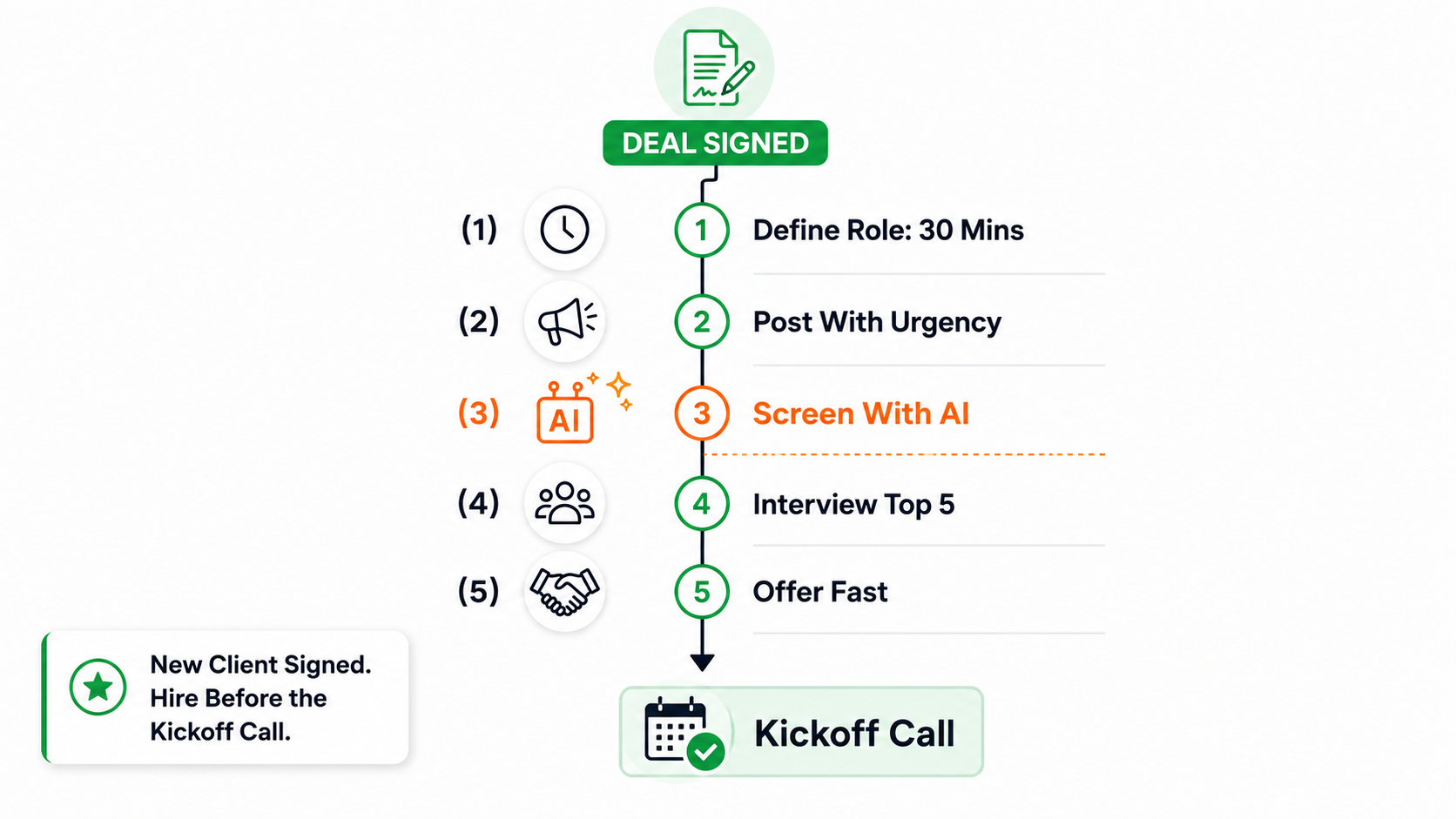
How to Hire Fast After Landing a New Client
The moment you sign a new client, a countdown begins. You have days, not weeks, to staff the account before the kickoff call.
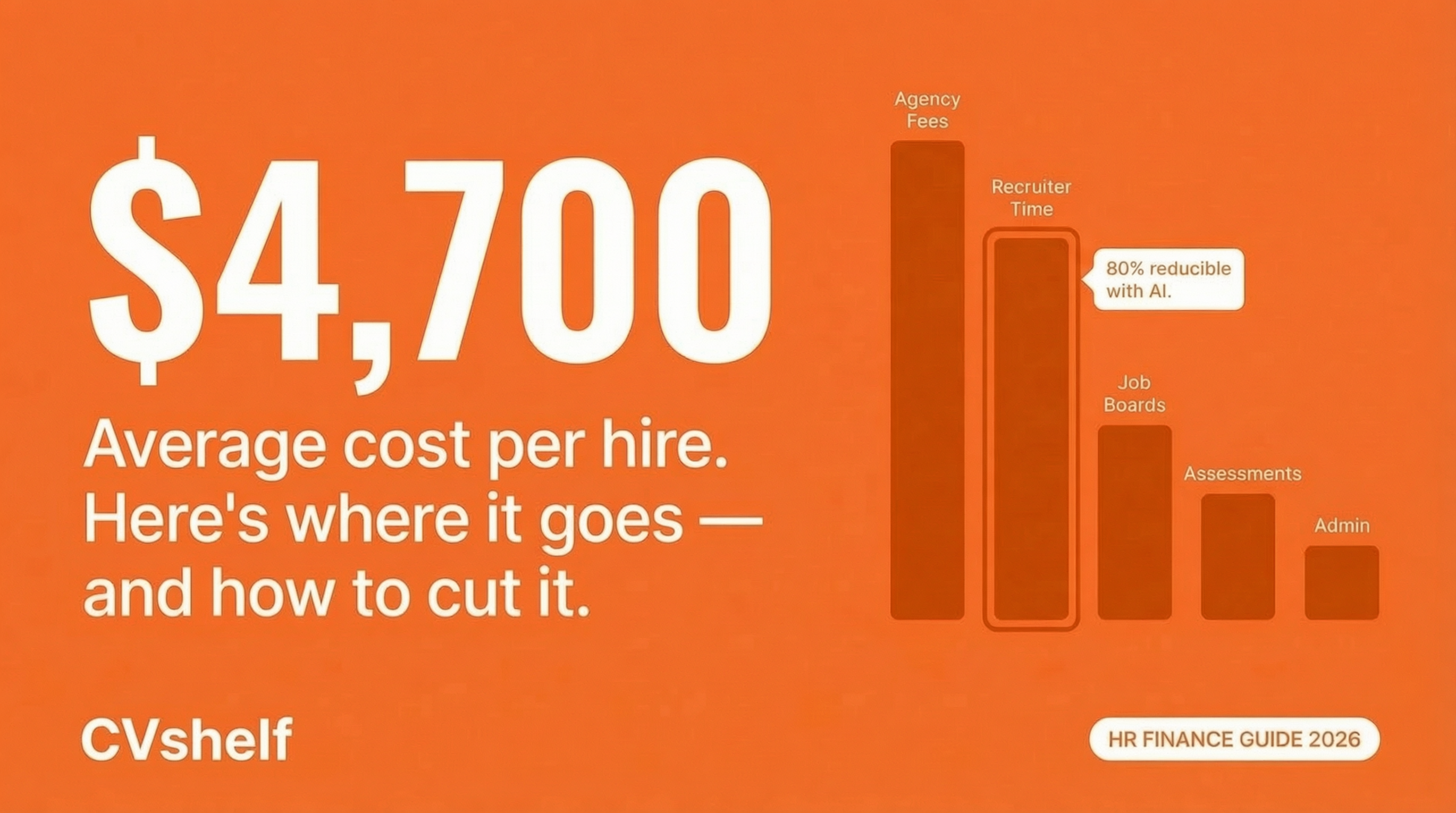
Cost Per Hire: How to Calculate and Reduce It
The average cost per hire in the US is $4,700, according to SHRM. Most HR teams accept that number without interrogating it.

Best Resume Parsing Software in 2026: How It Works and Top Options
Resume parsing software converts unstructured resume files into structured, searchable data. But parsing alone is only half the job.